Syria Return to Global Finance Blocked by Banking Sector
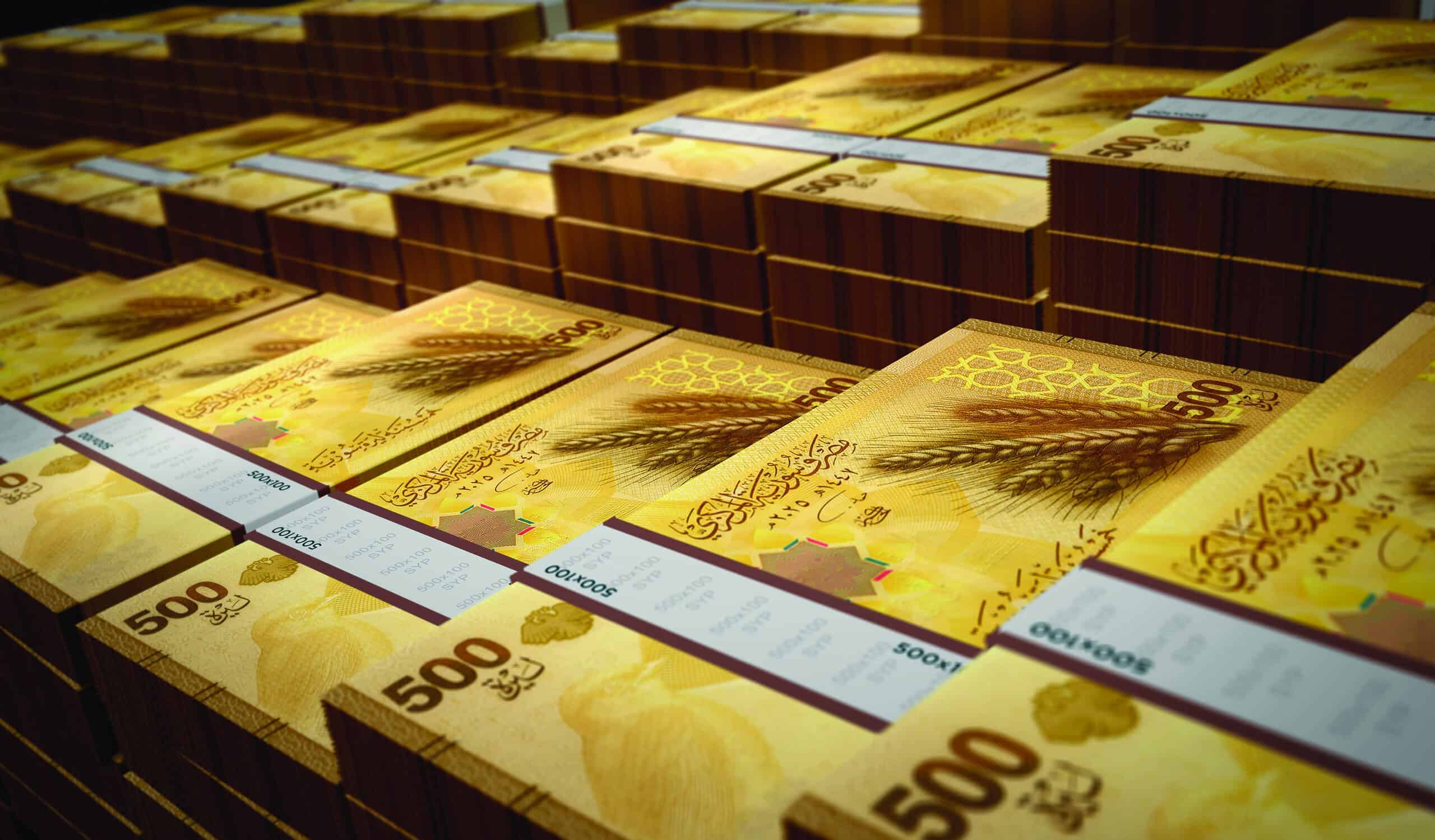
Syria is trying to join the world financial system again, but its own banks are holding it back. Global Finance Magazine reported today that the local banking sector is slowing down this big move. The country faces hard steps ahead as it tries to fix its economy and work with international money markets again.
Why is Syria return to global finance hampered by banking sector?
People across the world want to know why Syria return to global finance hampered by banking sector problems today. The main reason is that local banks in Syria are not ready for big international deals. Years of trouble have left these financial companies weak, cut off, and out of touch with modern money rules. Outside banks are very careful and do not want to risk working with them yet.
Money moves best when local banks are safe, strong, and clear about their rules. Right now, global companies find it hard to trust the financial setup inside the country. Without strong local partners, money cannot flow in or out easily. This keeps Syria stuck on the outside of the world financial system even when it tries to open up.
What does this banking problem mean for ordinary people?
When a country cannot connect to world banks, everyday citizens feel the pain in their daily lives. Prices for food, clothes, and medicine can go up very fast when trade is hard to clear. Local business owners cannot buy goods from other nations easily because they cannot send payments across borders. This makes life tough for families who just want stable jobs and fair prices.
It also makes it hard for relatives living in other countries to send money back home to their families. Millions of people in the Syrian diaspora try to help their loved ones every single month. When the banks do not work with global networks, sending that cash costs more and takes way too long. Normal families end up waiting for help that should arrive in seconds.
What key facts show the main points of this news?
- Global Finance Magazine reported the news on Syria financial steps today.
- The local banking sector is the main roadblock for the country right now.
- International financial markets need safe and clear banking rules before they return.
- Everyday trade and personal money transfers stay slow until banks improve.
These facts point out that fixing big economic issues takes time and hard work. A country cannot just decide to join world trade overnight without fixing its local institutions first. Banks form the building blocks for every deal, purchase, and loan across the globe. Until those blocks are solid, progress will stay very slow for everyone involved.
What should readers watch for in the near future?
Finance experts will watch to see if local leaders make big changes to how their banks work. New rules might be created to make the banks safer and more transparent for outside partners. If local banks start following international standards, foreign banks might slowly begin to work with them again. Any new updates from global financial organizations will give clues on what comes next.
For now, the situation stays tough, but people will keep a close eye on the news. Rebuilding trust in money systems takes many small steps over a long time. Readers should look out for reports on banking reforms, international trade deals, and new financial rules. The path back into the global market is long, and the local banking group holds the key to moving forward.


Comments
Post a Comment